Lobster Moth
Stauropus fagi
Lobster Moth (Stauropus fagi): The Crustacean Caterpillar of the Woods
The Lobster Moth (Stauropus fagi) sports a caterpillar that looks like a lobster escaped from dinner. Explore its quirky European woodlands life, dramatic defenses, and leafy diet in this playful guide.
- Habitat
- Mature deciduous woodlands and beech woods
- Size
- Wingspan 40–70 mm; larvae up to 70 mm
- Diet
- Beech, oak, birch, hazel, lime, cherry leaves
- Range
- Europe to Japan, avoiding parts of Siberia
- Conservation
- Least Concern (IUCN)
- Lifespan
- Adults short-lived, focused on reproduction
Habitat & range
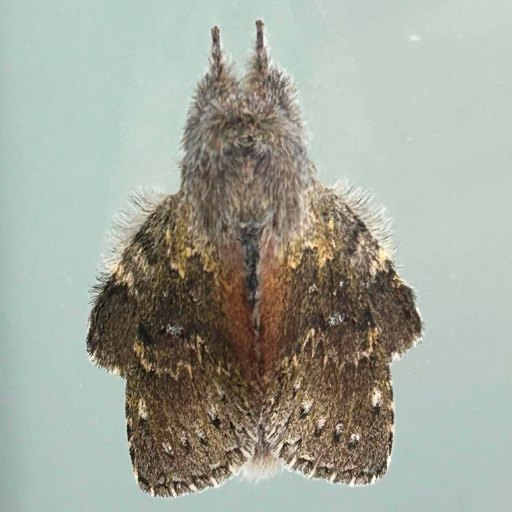
Picture shady European beech woods and you’ve found prime Lobster Moth territory. This Palearctic species skips the far south and northern Africa, stretching from Britain’s southern counties and Wales across temperate Asia all the way to Japan. It dodges a big gap in Siberia between the Ob River and Lake Baikal, preferring mature deciduous woodlands, woodland edges, and well-wooded spots where it can vanish against tree trunks by day. In Britain it feels right at home among leafy canopies that offer both food and camouflage. The adult moth appears as an Insecta creature card in Wilder TCG, celebrating its woodland weirdness.
Diet & foraging
Caterpillars are the serious snackers here, chomping through beech leaves like they’re at an all-you-can-eat buffet, with oak, birch, hazel, lime, and cherry as solid backups. Freshly hatched larvae kick things off by eating their own eggshell for an instant nutrient hit before moving on to fresh foliage. Adults mostly skip meals or take the occasional light sip, focusing instead on finding mates while resting on trunks during daylight and getting drawn to lights after dark. This leaf-munching phase helps cycle nutrients through the forest floor without turning the moth into a garden pest.
Behavior & adaptations
Young larvae pull off an impressive ant or spider impersonation, complete with twitchy moves and a fake “injured ant” act when bothered. Older caterpillars switch to a dead-leaf or twig disguise until something pokes them, triggering a full theatrical threat display—head arched back, long legs splayed like an angry crustacean. Some reports mention a bonus spray of formic acid for extra drama. Pupation happens inside a silk cocoon tucked among fallen leaves or just under the soil, while adults rest with hindwings peeking out in their signature pose. They can be a bit testy when kept together, so they prefer their own space.
Conservation & ecology
Rated Least Concern on the IUCN Red List, the Lobster Moth isn’t vanishing anytime soon, though it stays local or scarce in northern parts of its range like Britain. As leaf eaters the caterpillars support woodland nutrient cycling and become tasty snacks for birds and other predators, while adults add to nighttime biodiversity. They serve as quiet indicators of healthy mature deciduous habitat rather than headline-grabbing pests, keeping the forest ecosystem ticking along nicely.
Fun facts about Lobster Moth
- The lobster look belongs only to the caterpillar; the adult moth is a plain gray-brown moth that blends into tree bark without the larval hype.
- Tiny first-instar caterpillars guard their eggshell like bouncers and will even attack other caterpillars in an ant-like frenzy.
- Disturbed older larvae strike a mantis-meets-lobster pose and may add a formic acid spray for emphasis—nature’s “back off” signal.
- In captivity they’re picky houseguests that reportedly demand fresh water along with their leafy meals.
- Described by Linnaeus back in 1758, the species still looks like a 1950s sci-fi prop every time a new photo pops up.
Field photos
Lobster Moth vs European Mantis
The European Mantis seizes the day with its lightning-fast strike and raptorial forelegs, overpowering the moth's evasive flight.
In a leafy forest clearing, a Lobster Moth flutters low while searching for a resting spot. An alert European Mantis, perched motionless on a branch, detects the movement with its keen eyes and swivels to track the insect. The mantis launches forward in a sudden lunge, its spined forelegs clamping around the moth's body before it can dart away. The moth flaps wildly and tries to twist free, but the mantis's grip holds firm as it begins to feed. Though the Lobster Moth's erratic flight offers a brief chance to escape, the mantis's ambush tactics and strength in close quarters decide the brief encounter.
Read more about European Mantis.
More Insecta animals
- Maricopa Harvester Ant
- Megapolistes Paper Wasp
- Monarch Butterfly
- Northern Giant Hornet
- Red Paper Wasp
- Red-headed Paper Wasp
Insecta · Forest · Cost 1