Small Emperor Moth
Saturnia pavonia
Small Emperor Moth (Saturnia pavonia): Fluffy Daytime Rockstar of the Moors
The Small Emperor Moth (Saturnia pavonia) is Britain's only resident silk moth, flaunting peacock eyespots, feathery antennae, and males that hunt mates by daylight across heaths and moors.
- Habitat
- Heathland, moorland, dunes, grassland, hedgerows
- Size
- Wingspan 55–80 mm, females larger
- Diet
- Caterpillars eat heather & brambles; adults do not feed
- Range
- Widespread across Palearctic, common in Britain & Ireland
- Conservation
- Common and stable, no major threats
- Lifespan
- Adults short-lived; pupae may overwinter 1–2 years
Habitat & range
Picture wide-open scrubby places where heather waves and brambles tangle: that is prime real estate for the Small Emperor Moth. Heathland, moorland, woodland rides, sand dunes, and even field margins all suit this fluffy flyer perfectly. It thrives right across the Palearctic from Europe deep into Asia, popping up reliably from Cornwall to the Scottish Hebrides and Irish bogs. You will not find it crammed into every hedge, but wherever its favorite plants grow it shows up like clockwork each spring. The species prefers sunny, airy spots rather than dense forest gloom, which explains why it feels right at home on windswept dunes and grassy verges alike. Its range stays stable because these open habitats still exist in good numbers across Britain and beyond. The Small Emperor Moth also appears as an Insecta creature card in Wilder TCG, bringing a touch of real-world moth magic to the game.
Diet & foraging
Caterpillars are the serious eaters in this family. They chomp through heather, bramble, hawthorn, blackthorn, sallows, meadowsweet, alder buckthorn, and birches with impressive enthusiasm. Each munch helps them pack on the bulk needed for their big transformation. Once they become adults the menu closes for good. These moths emerge with one job only: romance. They skip eating entirely and live on stored energy while searching for mates. That short adult phase keeps them focused and light on their feet. Because the caterpillars munch such a wide menu they help cycle nutrients through open habitats, turning plant matter into tasty snacks for birds and small mammals.
Behavior & adaptations
Males are the daytime daredevils here, zipping about like oversized butterflies while their huge feathery antennae scan the air for female pheromones. A single female can draw suitors from miles away, turning spring afternoons into aerial treasure hunts. Females stay low and quiet by day, then take to the wing after dark once the scent has done its work. Every wing carries bold eyespots that flash a warning or a bluff depending on the viewer. Pinky-red flashes and a plump furry body complete the look, making this moth impossible to mistake for anything else. The larvae spin tough pear-shaped silk cocoons with a clever one-way spiny entrance, often tucked low on a stem where they can overwinter, sometimes for two full years if the weather feels off. These adaptations let the species ride out chilly springs and unpredictable seasons while still delivering maximum visual drama whenever it appears.
Conservation
No red flags here. The Small Emperor Moth sits comfortably in the common-and-stable category across its entire range. It is not listed under UK priority species or any threatened IUCN categories, which means its open-habitat lifestyle is still working just fine. Keeping heaths, moors, and rough grasslands in good shape is the best way to ensure it stays around. As long as those sunny scrubby places remain, the moth keeps doing its flashy, pheromone-powered thing without any extra help from conservation teams.
Fun facts about Small Emperor Moth
- Males are among the few large moths you will spot buzzing around in full daylight, easily mistaken for butterflies until the feathery antennae give them away.
- One female’s perfume can summon males from several miles; moth enthusiasts sometimes use synthetic lures just to enjoy the aerial show.
- It is Britain’s only resident member of the true silk-moth family, Saturniidae, and its caterpillars literally spin their own winter palace.
- Bold eyespots decorate all four wings, not just the hind pair, delivering maximum “I’m bigger than I look” energy.
- Some pupae take an extra year in their cocoons if spring conditions feel subpar, proving slow and steady really can win the moth race.
Field photos
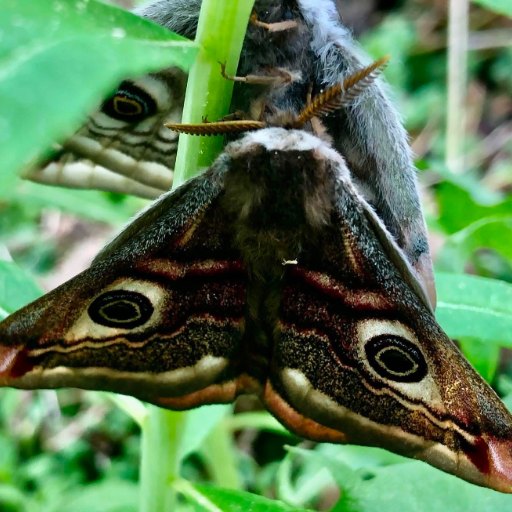
Small Emperor Moth vs European Mantis
The European mantis wins by ambushing and pinning the moth with its spined forelegs before feeding.
In open European meadows where both species occur, the mantis perches motionless among grasses, using its excellent vision to detect the fluttering moth. When the small emperor moth passes within reach, the mantis strikes swiftly, clamping the insect between its raptorial forelegs. The moth’s soft wings and lack of defenses offer little resistance against the mantis’s grip and chewing mouthparts.
Read more about European Mantis.
More Insecta animals
- Tarantula Hawk Wasp
- Warrior Wasp
- Western Honey Bee
- Argentine Harvester Ant
- Black Carpenter Ant
- Bullet Ant
Insecta · Grassland · Cost 1