Tilcayo Tiger Cat
Leopardus tilcayo
Tilcayo Tiger Cat (Leopardus tilcayo): Bolivia’s Tiny Cloud-Forest Surprise
Meet the Tilcayo Tiger Cat, Leopardus tilcayo, the first new wild cat species described in a century. This pint-sized Bolivian cloud-forest hunter is finally getting its scientific due.
- Habitat
- Bolivian Yungas cloud forests
- Size
- 42–50.5 cm head-body, 1.5–2 kg
- Diet
- Rodents, lizards, birds
- Range
- Eastern Andean slopes, Bolivia
- Conservation
- Not yet assessed, habitat threats
- Lifespan
- At least 10 years (known individual)
Habitat & range
Picture steep, misty slopes where Andean peaks lean into the Amazon basin. That’s the Bolivian Yungas, the Tilcayo Tiger Cat’s exclusive neighborhood. Thick humidity, constant cloud cover, and dense understory give this little spotted cat perfect cover for staying out of sight. Confirmed sightings cluster around 1,570 meters near Arapata, with whispers of possible neighbors slipping into northern Argentina’s Jujuy province. Researchers are scrambling to set up more camera traps because these cats treat fieldwork like a game of hide-and-seek. The Yungas’ steep terrain and frequent mist make every expedition feel like an adventure. Local communities have known the “tilcayo” for generations, so the real challenge now is mapping just how far its paw prints actually reach. The Tilcayo Tiger Cat appears as a Mammalia creature card in Wilder TCG, bringing a bit of this elusive Yungas magic to the table.
Diet & hunting
Think classic small-cat buffet: rodents, lizards, birds, and anything else that fits in a bite-sized package. As an obligate carnivore, the Tilcayo Tiger Cat keeps the Yungas’ understory populations in check without needing fancy hunting gear. Its slender build and longer tail suggest it’s comfortable pouncing from low branches or weaving through thick vegetation. Exact menu preferences remain a mystery because, well, the species is brand new to science. Still, its role as a mesopredator is clear—it helps maintain balance in a forest where every small predator counts. No dramatic chases here, just efficient, stealthy meals that keep the ecosystem humming.
Behavior & adaptations
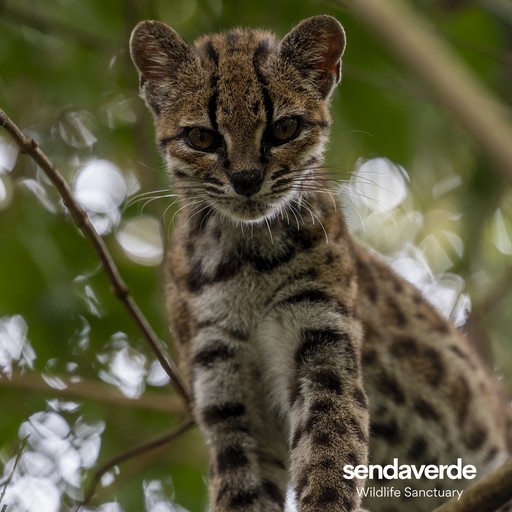
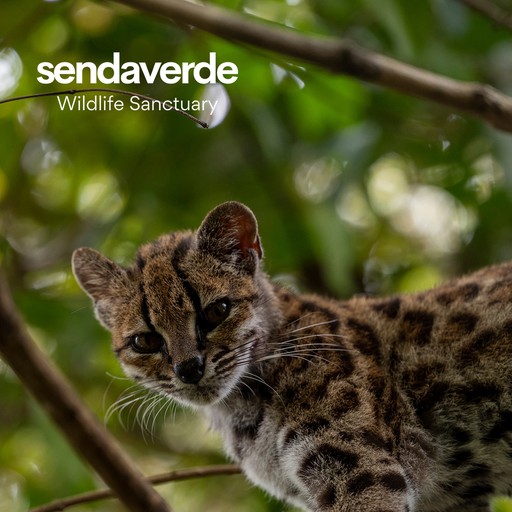
Nocturnal and elusive by default, the Tilcayo Tiger Cat has “blink and you’ll miss it” written all over its rounded teddy-bear ears and soft, light-brown coat. Those irregular rosettes and fuller tail set it apart from look-alike relatives, while the plush fur seems perfectly suited for the damp, misty Yungas air. Genetic work shows it split from other tiger-cat lineages about 1.4 million years ago—plenty of time to perfect its own brand of cuteness. Researchers have examined only two live individuals so far, plus a small number of camera-trap records. One of them is a male Tilcayo named Tigrino, the species’ holotype (the individual its scientific description is based on), who lives at Bolivia’s Senda Verde wildlife sanctuary after a local family took him in as a kitten. Their calm demeanor and distinctive markings make them the perfect ambassadors for a species that spent over a century dodging the spotlight.
Conservation
Not yet formally assessed by the IUCN as its own species, the Tilcayo Tiger Cat faces the usual Yungas threats: deforestation, expanding agriculture, gold mining, and the occasional poultry-related misunderstanding. A restricted range means even modest habitat loss could hit hard once proper evaluations begin. Camera-trap surveys and fresh genetic studies are already underway, giving hope that targeted protection will follow. Supporting local researchers and keeping the cloud forests intact are the best ways to ensure this tiny spotted wonder sticks around for the next century of discoveries.
Fun facts about Tilcayo Tiger Cat
- First entirely new wild cat species formally described since the 1920s—genomics finally caught up with what Bolivian locals already knew.
- The species’ holotype is a 10-year-old male Tilcayo named Tigrino, who’s been living his best life at Bolivia’s Senda Verde sanctuary since 2017.
- Rounded “teddy bear” ears and larger, irregular rosettes give it the cutest new-cat-on-the-block vibe.
- Diverged from other tiger-cat lineages 1.4 million years ago—proof the wild still keeps secrets even in well-studied groups.
- Local name “tilcayo” comes straight from generations of Bolivian families; science just needed DNA to agree it’s special.
Field photos
Tilcayo Tiger Cat vs Red Fox
The larger, bolder red fox claims victory through size and persistence in a forest clearing clash.
Both predators prowl the same woodland edges at dusk. The tiger cat relies on stealth and quick pounces with sharp claws, while the red fox uses keen hearing and a heavier build to stand its ground. When their paths cross over a shared rodent trail, the fox’s superior weight and endurance let it drive the smaller cat back into the undergrowth after a brief standoff of hisses and lunges. The cat’s agility helps it dodge the first charge, but the fox’s longer reach and thick fur blunt any counterattacks. Habitat overlap favors the fox, which is more willing to defend its territory against felines of this size.
Read more about Red Fox.
Common questions about Tilcayo Tiger Cat
Can you buy a Tilcayo tiger cat, and how much does one cost?
No. Leopardus tilcayo is a wild cat, not a pet breed, and there is no legal price. Bolivia has banned capturing and collecting wild animals since 1990 (Supreme Decree 22641), and tiger cats have been on CITES Appendix I, which bans commercial international trade, since 1989. The best-known individual, a male named Tigrino, was found as a kitten and kept by a local family, who handed him over to the Senda Verde sanctuary once it was clear he was wild. Treat any "for sale" listing as a scam or as wildlife trafficking. To help instead, support Senda Verde.
Is there a Tilcayo tiger cat plush or toy?
Wilder TCG doesn't make a Tilcayo plush or any other merchandise. On Wilder, the Tilcayo Tiger Cat is a free digital card you can play in the browser at wildertcg.com/app, alongside this field-guide page.
What does the Tilcayo tiger cat eat?
Like all cats, it is an obligate carnivore. Its diet hasn't been studied in detail yet. Researchers found small rodent remains in scat samples, and camera-trap records suggest it may be most active at night. Lizards and birds are likely prey too, since other small tiger cats eat them, but that hasn't been confirmed for this species.
Is the Tilcayo tiger cat aggressive or dangerous to people?
Not in any meaningful way. It is smaller than a typical house cat (roughly 1.5–2 kg), elusive, and probably mostly nocturnal, and there is no published record of it harming anyone. Like any wild cat, though, it will scratch and bite if cornered or handled, which is one more reason it isn't a pet.
How many Tilcayo tiger cats are there?
Nobody knows yet. The September 2026 description in Current Biology was based on two live individuals that researchers examined plus a small number of camera-trap records. That doesn't mean only two exist; it means counting has barely started. The IUCN hasn't assessed it as a separate species yet; the researchers say it could potentially be listed as endangered once it is.
Why is it called the tilcayo?
"Tilcayo" is what people in Bolivia's Yungas already called the cat, and the scientists kept that name for Leopardus tilcayo. Locals told the researchers they use the word because their grandparents did. According to National Geographic, it doesn't seem to mean anything in particular in Spanish or Quechua.
Is there official Tilcayo merchandise?
Yes. Senda Verde, the Bolivian wildlife sanctuary where the Tilcayo was first identified, sells an official Tigrino shirt to help fund the care of its rescued animals; the presale runs October 5–14, 2026 (see their announcement). Wilder isn't affiliated and earns nothing from it. Shirts and plush from other sellers aren't official.
Featured in the Field Journal
- The First Great Rebalance: Resilient Meets Its Match, and a New Wildcat Goes Mythic
- Tilcayo Tiger Cat: First New Wild Cat Species in a Century
More Mammalia animals
Mammalia · Forest · Cost 2