Red Fox: Why Do Foxes Scream at Night?
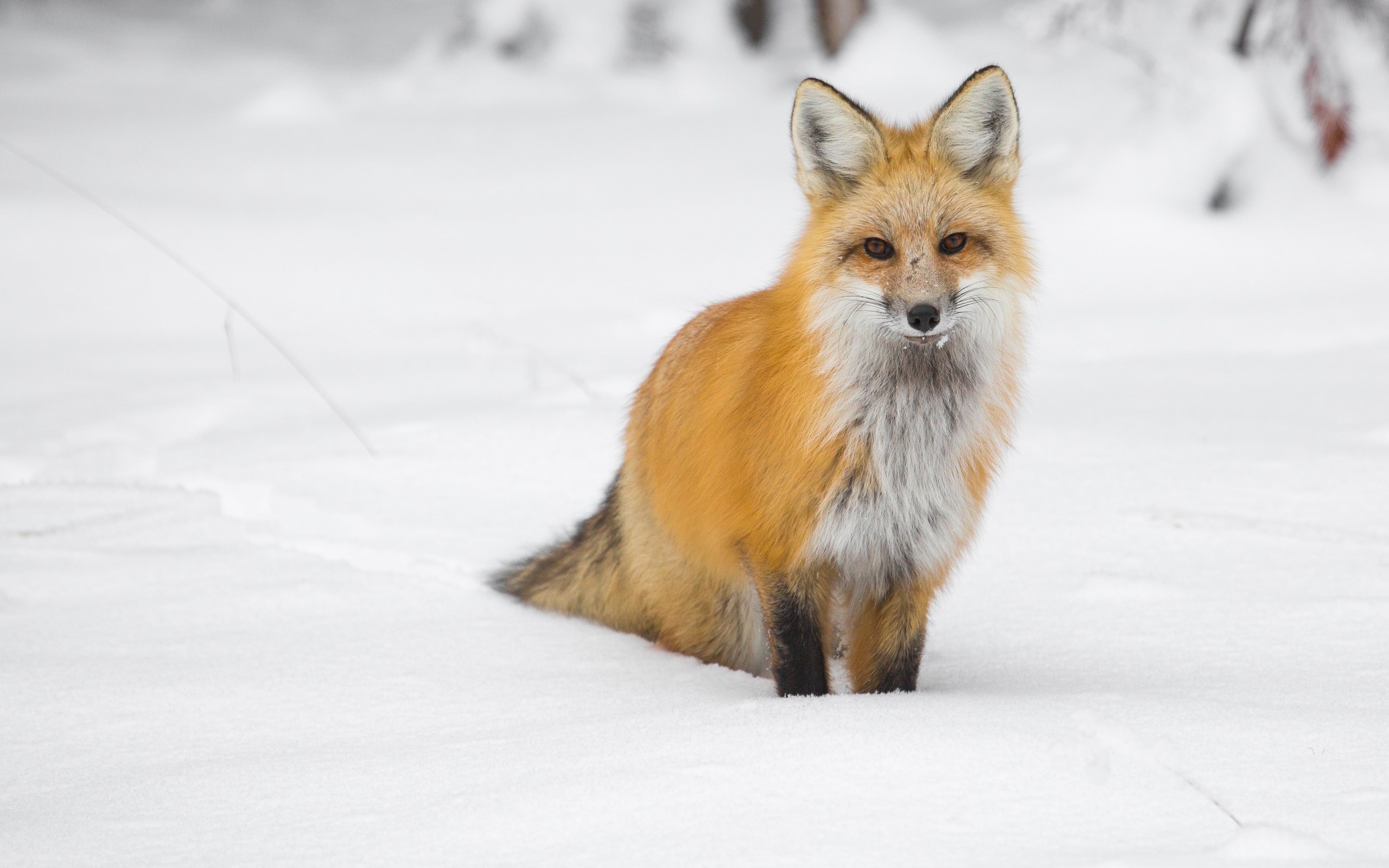
Species deep dive · red fox
Mostly to find a mate. That blood-curdling scream in the dark is almost always a red fox, and the classic high-pitched wail is usually a vixen (a female fox) calling to summon a male during the winter breeding season. It isn't a fox in pain, and it isn't a fox being attacked (Natural History Museum). You hear it at night because that's when foxes are most active, and in winter because that's when they breed.
It really can sound like a person in trouble. Stephen Harris, a biologist at the University of Bristol, says people occasionally mistake the calls for someone in distress and phone the police (National Geographic).
Two kinds of scream
Harris separates the piercing calls into two types. In his study of Bristol's urban foxes, Harris described a short, explosive scream, which is an aggressive warning from a male to rivals, and a more complex shriek, an interactive call that both sexes use but that females use especially to attract mates. Both are heard mostly in the winter mating season (National Geographic).
So the eerie wail outside your window is usually a vixen advertising that she's ready to breed, and the harsher, shorter call may be a dog fox warning off the competition.
Why winter is scream season
Timing is everything for a vixen. A female red fox comes into heat only once a year, and her receptive period lasts just 1 to 6 days. Males are only fully fertile from about November to March (Animal Diversity Web). With so short a window, it pays to be loud.
When that window falls depends on where the fox lives. Across the species' huge range, breeding runs from December to January in the south, January to February in central regions and February to April in the north (Animal Diversity Web). In Britain, January is the peak, and that's when you're most likely to hear vixens screaming, though you may hear them at other times of year too (Worcestershire Wildlife Trust; Natural History Museum).
Winter is also when young foxes leave home. In a classic study of red fox calls, Nicholas Newton-Fisher, Harris and colleagues found that calls suited to aggression and to keeping in contact were significantly more common in winter, the season of mating and dispersal, when foxes move over larger areas (Newton-Fisher et al. 1993). This year's cubs stay with their mother until the autumn after they're born (Animal Diversity Web), so late autumn and early winter fill up with young foxes looking for territories and adults defending them.
Why it sounds so loud
Two reasons. Foxes are mostly active after dark, so that's when they call (Natural History Museum). And winter helps the sound carry. "The noises are very much a feature of urban nights in winter," Harris told National Geographic, adding that the cold air and the lack of vegetation mean the screams travel further (National Geographic).
Even experts get caught out. Harris recalls resting against a gravestone in a cemetery at night while radio-tracking a vixen, only for her to creep up, sit about six feet away and "let out an almighty scream" (National Geographic).
Are foxes screaming in pain when they mate?
No. A popular idea says the screams are cries of pain from foxes locked together while mating, but the Natural History Museum calls this an urban myth: the screams are females trying to summon a mate (Natural History Museum). Mating itself isn't silent, though. Copulation usually lasts 15 to 20 minutes and is often accompanied by a "vocal clamor" (Animal Diversity Web), so a noisy night in January really can mean foxes are breeding nearby.
Foxes aren't the only animals that do this. Barn owls are famous for night-time screams that people mistake for a woman screaming (National Geographic), and in the Americas the mountain lion has a mating call so unsettling that we gave it its own explainer. For another night call wrapped in myth, see whether wolves really howl at the moon.
How the red fox plays in Wilder
The Red Fox (Vulpes vulpes) is a Common Mammalia card in the Forest element. It costs 2 Energy, with Attack 2 and Health 2, and has Ambush and Feast: a cheap, sneaky hunter for players who like to strike from cover. Flavour text: "Clever, quick, and always hungry." To see how a real fox hunts, read about its mousing pounce and magnetic aim.
Wilder is a free browser collectible card game about real animals, and you can play it free in your browser with no signup.
Photo credit
Hero photograph: Neal Herbert (U.S. National Park Service), "Red fox, Hayden Valley" (a red fox sitting in snow in Yellowstone National Park, 24 November 2015), Wikimedia Commons, public domain. Cropped for the Field Journal hero.

Questions people ask
What is the barking sound foxes make at night?
Usually foxes calling to each other. In the January mating season a vixen's scream is often answered by the "hup-hup-hup" bark of a dog fox, and males also give a loud "a-woo" that can sound like a domestic dog (Lancashire Wildlife Trust). Red foxes are very vocal for foxes, using barks, whines and throaty noises for everything from talking to their cubs to alarm calls (Natural History Museum).
How many different sounds can a red fox make?
Roughly 20 to 28, depending on how you count. A sound study of 585 recorded calls sorted them into 20 call types, eight of them made by cubs (Newton-Fisher et al. 1993). Animal Diversity Web lists 28 kinds of vocalisation described for red foxes and notes that individual foxes have voices that can be told apart (Animal Diversity Web).
When are fox cubs born?
Mostly in March in Britain. Vixens have one litter a year, usually of four or five cubs, and the cubs first come out of the den in April (Natural History Museum). Pregnancy lasts about 51 to 53 days (Animal Diversity Web). Births normally fall between February and April in Great Britain, but two vixens in south Wales were pregnant or nursing by mid-December 2022 (Smith et al. 2023).
How long do red foxes live in the wild?
Usually only one to three years. Wild red foxes can live up to about nine years, but on average they survive just one to three. Road accidents are the most common cause of death, especially for males and young foxes as they start exploring and leave home (Natural History Museum).
Sources
- Natural History Museum (London): The secret life of urban foxes
- Newton-Fisher, Harris, White & Jones (1993) Structure and function of red fox Vulpes vulpes vocalisations, Bioacoustics 5: 1-31
- National Geographic (2018): These animals' screams will chill your blood (interview with Stephen Harris, University of Bristol)
- Animal Diversity Web (University of Michigan Museum of Zoology): Vulpes vulpes
- The Wildlife Trust for Lancashire, Manchester and North Merseyside: Communal living and screams in the night
- Worcestershire Wildlife Trust: Fantastic (Mr) foxes
- Smith, Cropper, Halliwell & Kent (2023) Early breeding in the red fox in Great Britain, Mammal Communications 9: 16-19