Ghana Cuckooshrike: Lost Bird Filmed for the First Time in Taï
Species deep dive · ghana cuckooshrike
Was the Ghana cuckooshrike lost — and was it rediscovered? Yes on both counts, if you use the Search for Lost Birds definition: no confirmed photo, video, audio or genetic record for at least ten years. After Jeremy Lindsell’s 2013 photos at Atewa Forest, Ghana, there was no documented record for 13 years. In June 2026, International Bird Conservation Partnership (IBCP) researchers Stephanie Bartlett and Paulo Ditzel photographed and filmed a Ghana Cuckooshrike (Lobotos lobatus, also called the Western Wattled Cuckooshrike) from a footbridge in Taï National Park, Côte d’Ivoire — the first confirmed documentation since 2013 and, according to Search for Lost Birds and IBCP, likely the first-ever video of the species (Search for Lost Birds; IBCP).
What is this bird?
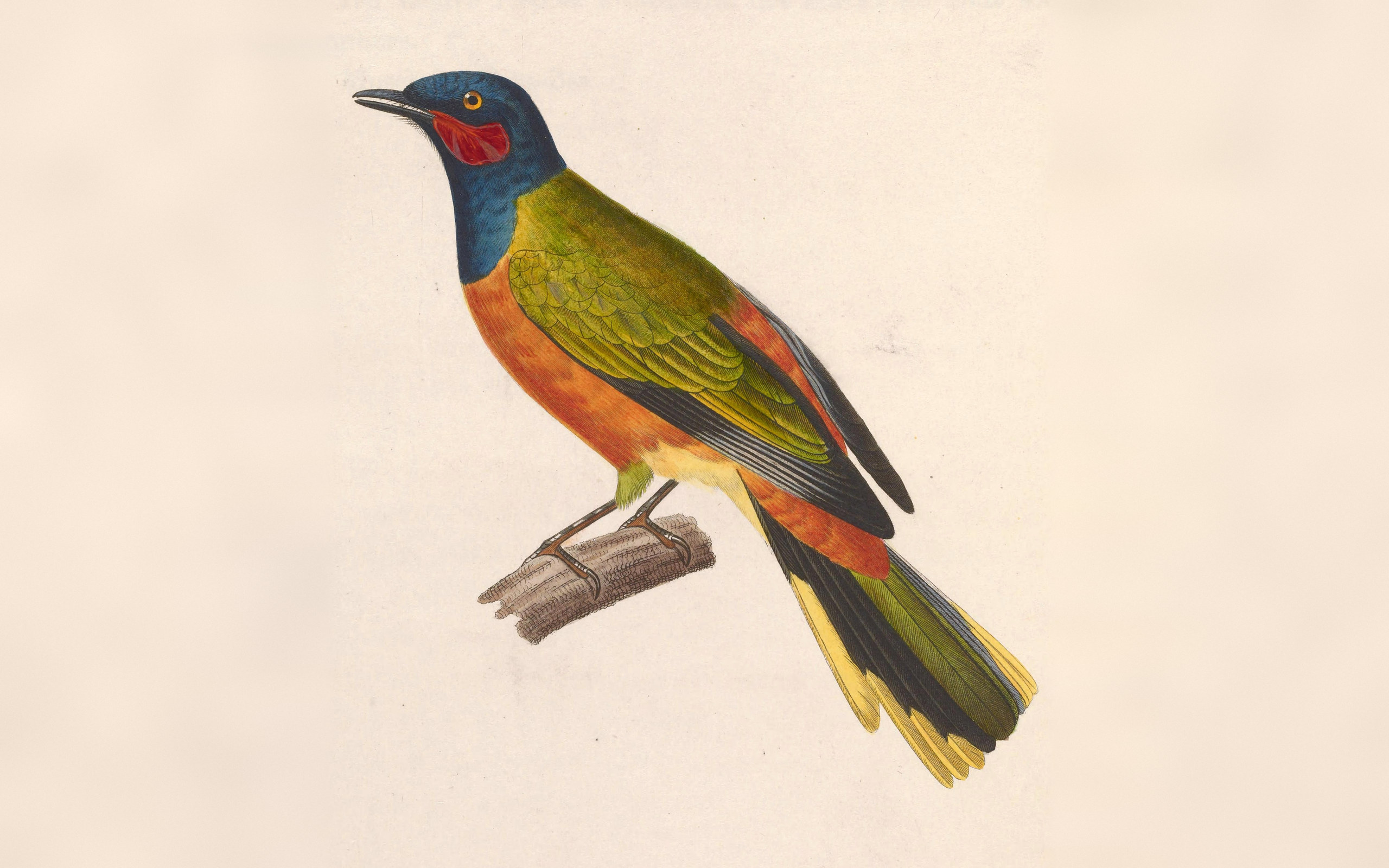
It is a colorful Campephagidae canopy passerine of West Africa’s Upper Guinea forests — Sierra Leone and southwest Guinea through Liberia and Côte d’Ivoire to Ghana. Males show a dark head, vivid orange facial wattles, and orange-chestnut underparts; females are duller and easier to confuse with the related eastern wattled form. Birds typically stay 20–50 m up in tall rainforest crowns, often with mixed-species flocks, and the species is so quiet that no sound recording of it had been published even before the Taï find (Search for Lost Birds species page; BirdLife DataZone).
Why “lost” hurt so much
Earlier photos existed — Ruud Kampf’s 2010 Kakum images were reportedly the first photographs — but after Atewa 2013 the trail went cold for science. Undocumented recent reports from Taï did not count for the lost-bird list. Bartlett and Ditzel’s camera-ready encounter on a short walk from a research station gave John Mittermeier’s Search for Lost Birds team (American Bird Conservancy, Re:wild, BirdLife International) the hard evidence they needed (IBCP; PetaPixel).
Vulnerable, not vanished
BirdLife / IUCN list the species as Vulnerable. Forest logging and agricultural clearance — including cocoa expansion — fragment the Upper Guinea rainforest; Liberia’s mid-1990s estimate of at least 20,000 pairs is widely treated as outdated and possibly high, and declines even in well-known sites like Sierra Leone’s Gola Forest remain poorly explained (BirdLife DataZone). One documented bird does not lift the threat; it proves Taï still holds what the canopy has been hiding.
How the Ghana cuckooshrike plays in Wilder
In Wilder TCG the Ghana Cuckooshrike is a Cost 2 Aves Forest Common (ATK 1 / HP 2) with Camouflage and Ambush. Camouflage fits a silent canopy specialist; Ambush nods to a flash of orange wattles before the foliage closes again. Flavor text: "Orange wattles flash once, then the canopy swallows the bird whole."
Play Wilder free in your browser. No signup needed.
Photo credit
Hero image: Nicolas Huet / Jean Gabriel Prêtre, historical plate of male Lobotos lobatus (Western Wattled Cuckooshrike), 1838 (Wikimedia Commons), public domain. Padded to fit the Field Journal hero. (No modern CC-licensed field photos of this rare species were available on Commons at publish time.)

Questions people ask
Was the Ghana cuckooshrike rediscovered in 2026?
Yes, for documentation. After 13 years with no confirmed photos, IBCP researchers Stephanie Bartlett and Paulo Ditzel photographed and filmed Lobotos lobatus in Taï National Park, Côte d’Ivoire, in June 2026 — likely the first video ever (Search for Lost Birds; IBCP). See the card.
What is a “lost bird” in this context?
The Search for Lost Birds project treats a species as lost when it has had no confirmed photo, video, audio or genetic evidence for at least 10 years. The Ghana cuckooshrike met that bar after the 2013 Atewa photos until the 2026 Taï record (Search for Lost Birds).
Where does the Ghana cuckooshrike live?
In the canopy of Upper Guinea lowland rainforest from eastern Sierra Leone and southwest Guinea through Liberia and Côte d’Ivoire to Ghana, often 20–50 m up in tall trees (BirdLife DataZone; Search for Lost Birds).
Is the Ghana cuckooshrike endangered?
IUCN / BirdLife list it as Vulnerable, with a suspected rapid decline from logging and agricultural clearance across fragmented Upper Guinea forests (BirdLife DataZone).
Why is the species so hard to find?
It stays high in dense canopy foliage, often with mixed flocks, and is extremely quiet — no published sound recording existed even before the Taï film (IBCP; Search for Lost Birds).