Adenomera varcena: New Amazon Frog of the Flooded Várzea
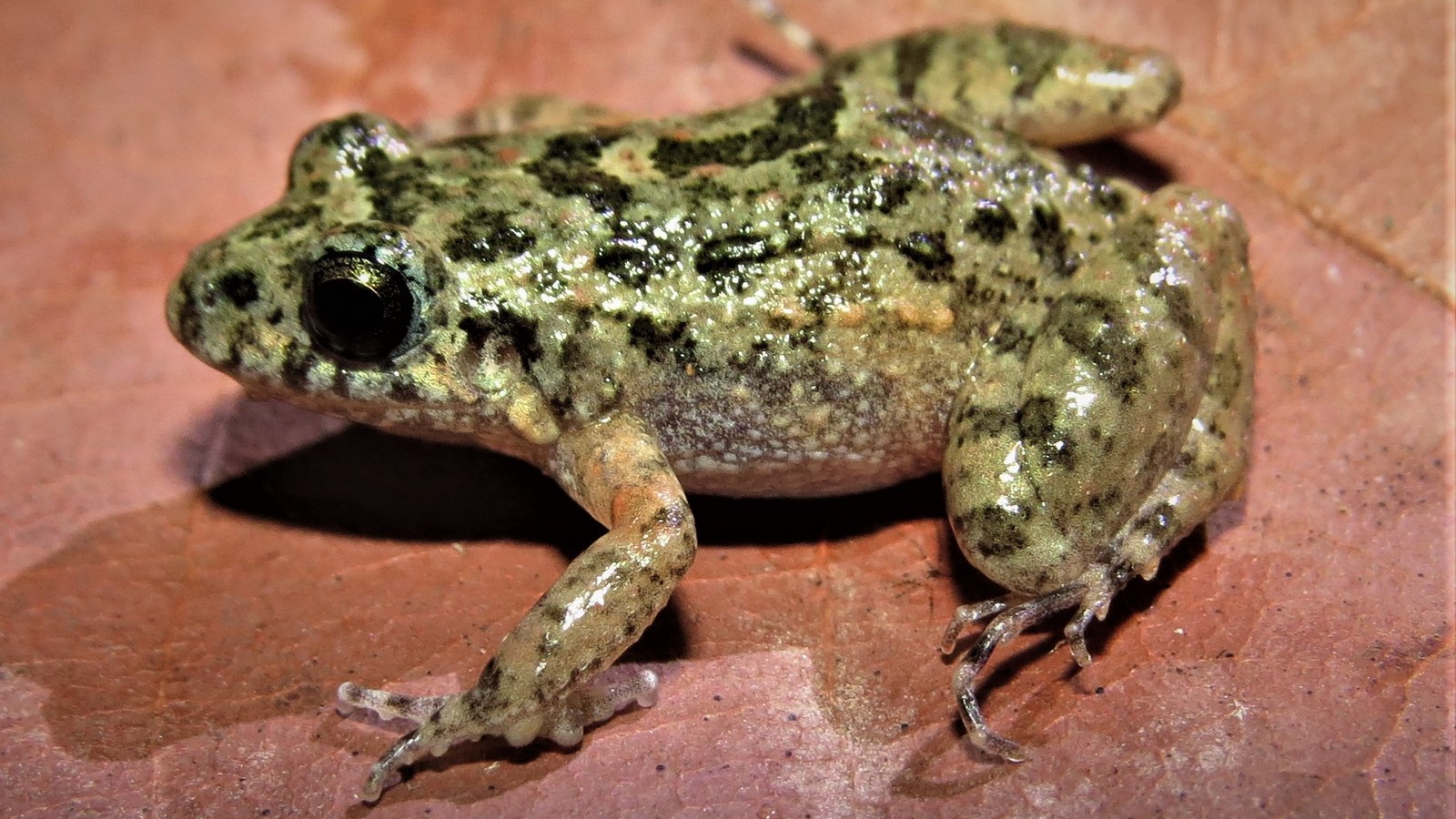
Species deep dive · adenomera varcena
Adenomera varcena is a newly described frog from the seasonally flooded forests of the western Amazon. Scientists formally named it in 2026 after expeditions along Brazil's Upper Juruá River showed that a "familiar-looking" leaf-litter frog was genetically, acoustically, and morphologically distinct — a classic case of cryptic diversity hiding in plain sight.
If you came here asking what the new Amazon floodplain frog is called: Adenomera varcena, a tiny terrestrial foam-nester in the family Leptodactylidae, known so far from várzea habitat in western Brazil, Ecuador, and Peru.
Why it took DNA and a microphone
Many Adenomera frogs look alike: small, brown, and built for damp leaf litter. The team led by Borburema and colleagues (published in Ichthyology & Herpetology) compared body size, color pattern, advertisement calls, and DNA sequences from the Adenomera simonstuarti species complex. A. varcena stood out by a combination of traits — including the absence of a solid dark stripe on the underside of the forearm and a short, slow, non-pulsed mating call built from a single note type — plus clear genetic separation from its relatives.
Looks alone were not enough. That is the point of the discovery story: Amazonian frogs are still being sorted with tools that go beyond a photograph.
Várzea specialist in a terra-firme genus
Most forest-dwelling Amazonian Adenomera breed in terra firme — upland forest that does not flood. A. varcena uses várzea: floodplain forest that sits underwater for months each year. The species name nods to that habitat (varcena for várzea). Researchers recorded it calling and breeding in those seasonal wetlands near rivers such as the Moa and Crôa around Cruzeiro do Sul, Acre, with range records extending into nearby Ecuador and Peru.
Climate and flood timing matter. Authors warn that if seasonal inundation patterns shift, a frog tied to várzea breeding habitat could feel the change even before we finish mapping its ecology — and that undescribed cryptic species can vanish from policy lists simply because they never received a name.
Size, life, and foam nests
Adults are minute: Wilder's field card lists about 22–24 mm snout-vent length, matching the "tiny brown leaf-litter dweller" niche. Like other Adenomera, it is a terrestrial foam-nester — eggs go into a foam nest on land rather than into open ponds — and it forages for small invertebrates (ants, beetles, and other litter arthropods) in damp understory.
Conservation status is not yet a tidy IUCN box; the species is newly named. Formal description is itself a conservation step: without a name, a lineage is easy to omit from threat assessments and environmental reviews.
On the Wilder card
Wilder already ships *Amazon Várzea Frog (Adenomera varcena)* — "the lazy serenader of flooded forests" — in Amphibia. The card leans into the slow call and floodplain habitat that make the 2026 paper newsworthy. Pair this Journal piece with that page when you want the taxonomy story behind the art: cryptic species, várzea breeding, and why a microphone belongs in a rainforest survey kit.
For another Amazon amphibian angle on parental extremes, see our caecilian dermatophagy piece — different order, same reminder that Neotropical herps still rewrite the textbook.
Photo credit
Hero photograph (illustrative congener): Reuber Brandão — Adenomera juikitam — Wikimedia Commons, CC BY 4.0. No freely licensed photo of A. varcena was available at publish time; the hero shows a related leaf-litter Adenomera.

Questions people ask
When was Adenomera varcena described?
In 2026, in Ichthyology & Herpetology (Borburema et al.). The name followed fieldwork in western Acre, Brazil, plus comparisons with Ecuadorian and other Amazonian material.
What does the name varcena mean?
It refers to várzea — Amazonian floodplain forest that floods seasonally. That is the calling and breeding habitat that sets this species apart from most forest Adenomera, which use non-flooded terra firme.
How do scientists tell Adenomera varcena from look-alike frogs?
By combining DNA, advertisement call (short, slow, non-pulsed, single note type), and morphology — including the lack of a solid dark stripe on the underside of the forearm — not by dorsal color alone.
Where does the Amazon várzea frog live?
In the upper Amazon basin — documented from western Brazil (Upper Juruá region) and also recorded in Ecuador and Peru, in seasonally flooded várzea forests. See Wilder's Adenomera varcena card for the playable summary.
Is Adenomera varcena endangered?
It does not yet have a settled IUCN assessment as a newly named species. Authors stress that describing cryptic Amazon frogs is itself a conservation tool — unnamed lineages are easy to leave out of threat lists and land-use decisions.