Hexura vandal: Idaho's New Endemic Funnel-Web Spider
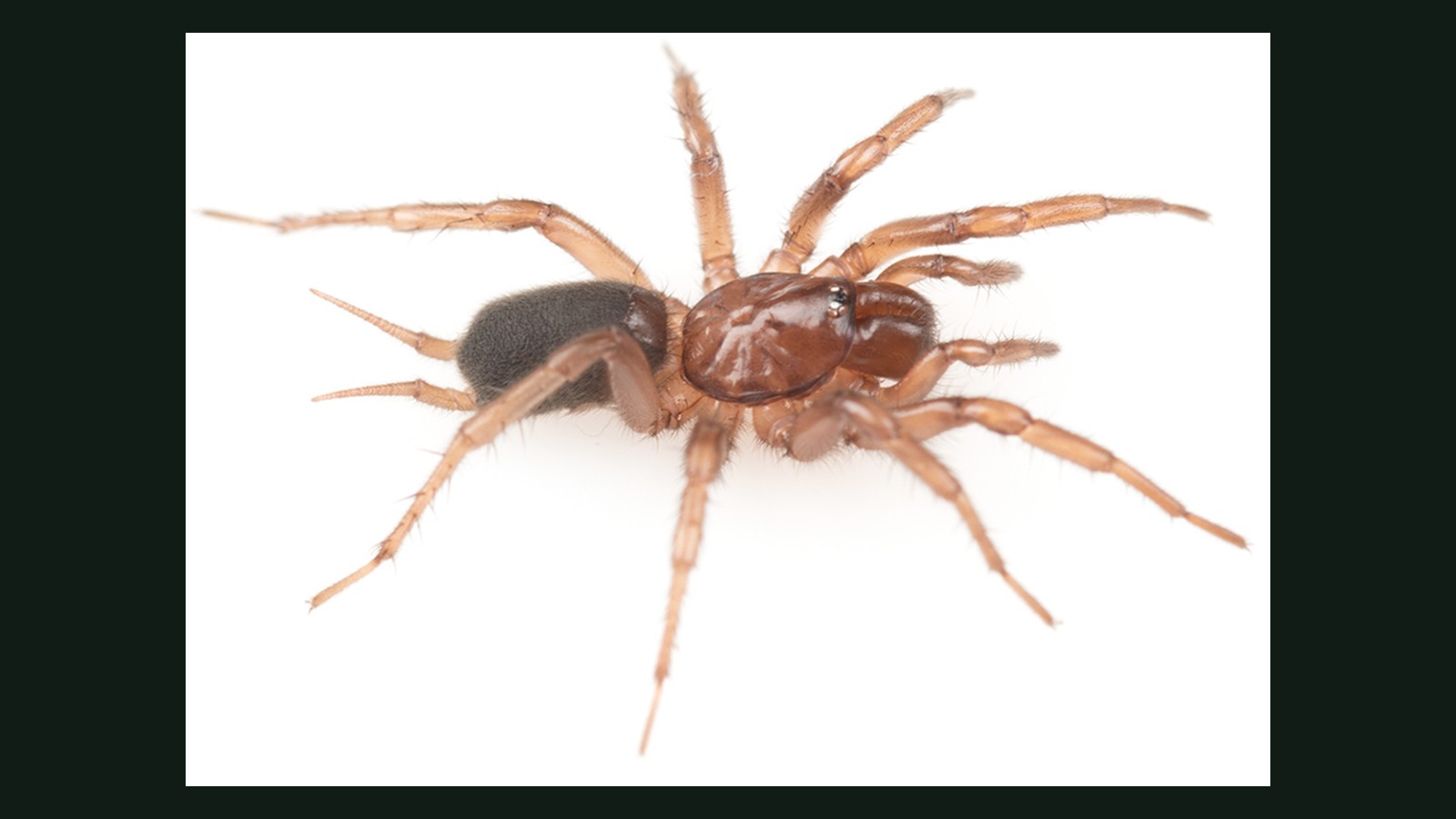
Species deep dive · hexura vandal
Hexura vandal is a newly described funnel-web spider from a tiny pocket of moist conifer forest in north-central Idaho. University of Idaho researchers formally named it in 2026 after morphology, DNA, and geography showed it was not either of the two Pacific-coast Hexura species — and that its known range sits roughly 500 km east of the rest of the genus.
If you came here asking what the new Idaho "Vandal spider" is: Hexura vandal, a nickel-sized mygalomorph in the folding-trapdoor / funnel-web family Antrodiaetidae, known so far only from mid-elevation mixed conifer forest near Kooskia in the Nez Perce–Clearwater National Forests.
Why a university mascot got a Latin name
The epithet vandal honors the University of Idaho's Vandals mascot — still unique in NCAA Division I. Authors chose it because the spider appears endemic to Idaho and the university partly supported the fieldwork. Live animals are dark (alcohol specimens look paler brown); researchers joked that it is "a predator that attacks" even if it is not school-colors black-and-gold.
The paper (Calatayud-Mascarell, Briggs & Hamilton, ZooKeys 1290) is the first major taxonomic update for Hexura in nearly fifty years. It also places the genus in a phylogenomic framework for the mygalomorph superfamily Atypoidea using ultraconserved elements (UCEs).
Tiny spider, tiny map
Adults are small for a mygalomorph: the male holotype is 11.1 mm and a female paratype 13.1 mm total length (fangs to spinnerets) — about nickel-sized with legs. They build dense funnel-and-sheet silk under rotting logs or in moss mats on cool, often north-facing slopes and riparian zones at about 1,050–1,300 m. Surveys found the species abundant inside that damp pocket and abruptly absent once habitat dried out.
That micro-endemism is the conservation story. Logging and wildfire (often peaking in the breeding season) threaten a species known from only a handful of nearby sites on public land with no spider-specific protection yet. Authors treat it as a restricted-range endemic that warrants monitoring — and some have floated it as a candidate for an Idaho state spider.
Ambush on the forest floor
Like other Hexura, it is a sit-and-wait predator: silk retreat, wait for small insects and arthropods, strike at the doorway. It is not treated as medically significant to people. Despite the shared English "funnel-web" label, it is unrelated in risk profile to Australia's large Atrax funnel-webs (see our Sydney funnel-web piece for that medical story).
On the Wilder card
Wilder already ships *Hexura Vandal (Hexura vandal)* in Arachnida — Ambush and Camouflage on a cost-2 forest floor specialist. Pair this Journal piece with that field-guide page when you want the 2026 taxonomy and habitat story behind the art: a Rocky Mountain outpost for a Pacific genus, a university nickname made official, and why a nickel-sized spider can still be a conservation flagship.
Photo credit
Hero photograph: Arnau Calatayud-Mascarell et al. — Hexura vandal female (live), from Fig. 9 of Calatayud-Mascarell, Briggs & Hamilton (2026), ZooKeys 1290: 339–355, CC BY 4.0.
Questions people ask
When was Hexura vandal described?
On 31 August 2026, in ZooKeys by Calatayud-Mascarell, Briggs & Hamilton. It is the third living Hexura species and the first major taxonomic update for the genus in nearly 50 years (ZooKeys; University of Idaho).
Where does the Idaho Vandal spider live?
So far only mid-elevation (about 1,050–1,300 m) moist mixed conifer forest near Kooskia, Idaho (Nez Perce–Clearwater area), especially cool mossy slopes and riparian zones. It vanishes from drier habitat nearby (ZooKeys).
How big is Hexura vandal?
Small for a mygalomorph: male holotype 11.1 mm and female paratype 13.1 mm total length — roughly nickel-sized with legs. Live animals look dark; alcohol specimens look paler brown (ZooKeys; Earth.com).
Is the Vandal spider dangerous to people?
It is not treated as medically significant. Hexura are small ambush mygalomorphs in silk retreats — unrelated in risk profile to Australia's large Atrax funnel-webs. See Wilder's Hexura vandal card for the playable summary.
Why was it named vandal?
The epithet honors the University of Idaho Vandals mascot (unique in NCAA Division I). Authors chose it because the spider appears endemic to Idaho and the university partly funded the work (ZooKeys; U of Idaho news).
Sources
- Calatayud-Mascarell, Briggs & Hamilton 2026 — Hidden in the woods: a new species of Hexura from Idaho
- University of Idaho — New spider species honors the Vandals
- EurekAlert — New spider species named for University of Idaho Vandals
- Earth.com — Newly discovered Idaho spider named after university mascot
- World Spider Catalog — Hexura vandal
- Wilder — Hexura Vandal card