African Wild Dog: Painted Wolf Pack Record Trek Across Zambia
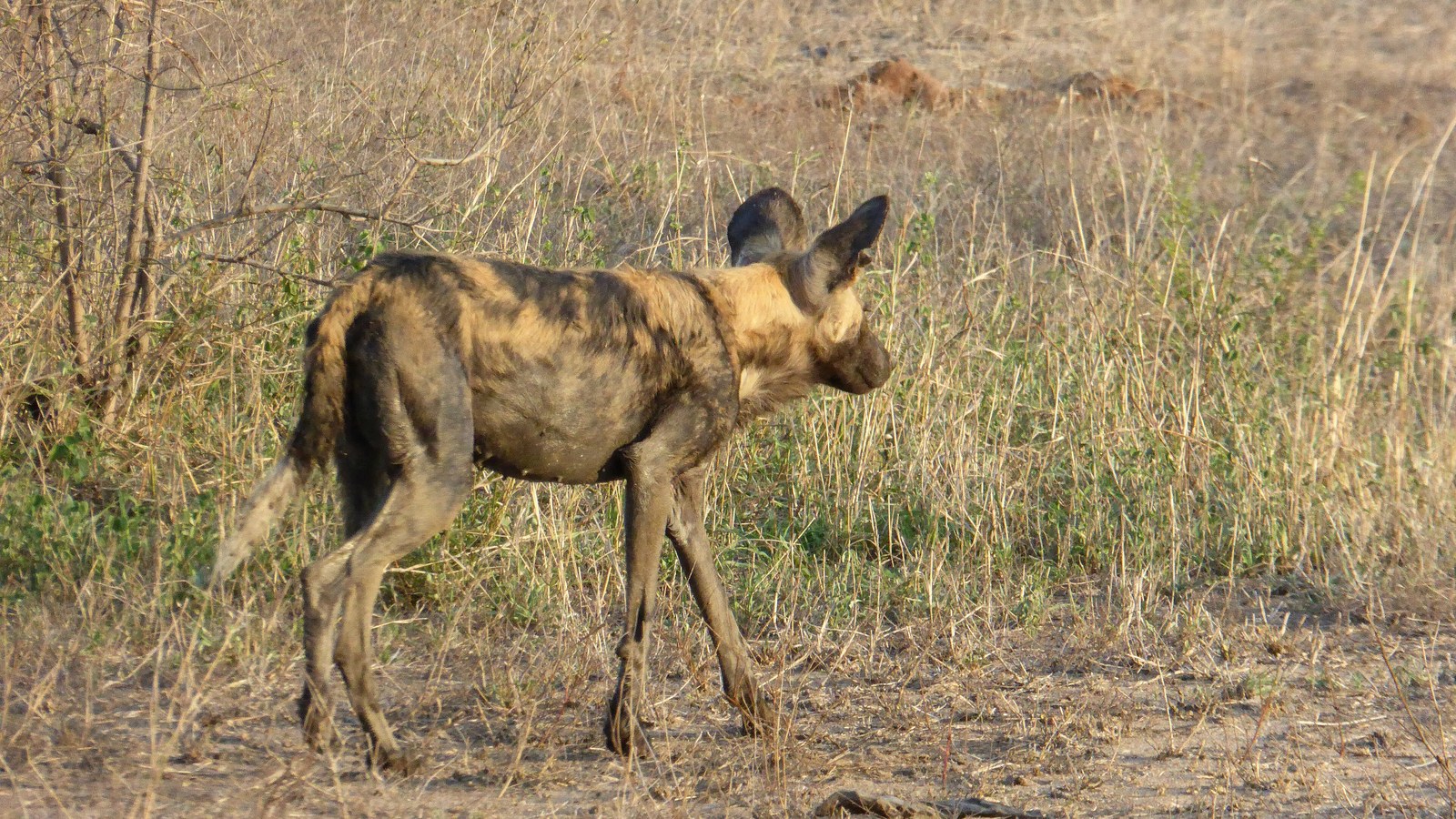
Species deep dive · african wild dog
How far did the record trek go? In 2025–26, three young male African wild dogs — the Mayukuyuku brothers — left Zambia’s Kafue National Park and zigzagged east toward the Luangwa Valley. GPS collars logged about 4,126 km (2,564 miles) of winding trail over roughly nine months: the longest recorded dispersal by an African land mammal. Straight-line distance was far shorter (hundreds of kilometres); the dogs doubled back around cities and industrial Copperbelt terrain before finally settling in a game management area between South Luangwa and Lower Zambezi.
Why does that matter? Lycaon pictus is Endangered. IUCN’s assessment still cites roughly 6,600 adults in 39 fragmented subpopulations and only about 1,400 mature individuals. Habitat loss, snares, prey depletion, conflict, and disease from domestic dogs (rabies, canine distemper) keep packs isolated. The brothers’ route — and the snare deaths that ended some sister and neighbouring dispersals — is both hope and warning: corridors between parks still work, but only if people protect them.
Painted wolves, not hyenas
African wild dogs are canids in their own genus Lycaon — often nicknamed painted wolves for the blotched black, tan, and cream coats that identify individuals like fingerprints. Unlike most dogs and wolves, each foot has four toes and no dewclaw. Large rounded ears help with heat and long-distance contact calls. Packs are usually organised around a monogamous breeding pair; non-breeding adults help raise the year’s pups and share kills with remarkable fairness.
They are not hyenas (hyenas are feliforms closer to cats). Wild dogs are lean endurance hunters that prefer open woodland and savanna where long chases pay off.
Pack hunting and the sneeze vote
Classic field accounts put wild-dog chase success commonly in the ~60–90% range — among the highest for large African predators — though exact percentages depend on prey size, cover, and how “success” is scored. Packs approach quietly, then run prey down with relay-like pressure rather than a single ambush bite. Food is bolted fast so lions and hyenas cannot steal the meal.
Before many hunts, Botswana’s Okavango packs hold energetic greeting “rallies.” Researchers found that short nasal exhales — sneezes — act as a quorum vote: more sneezes mean higher odds the group departs. If a dominant starts the rally, about three sneezes can tip the pack into motion; if a subordinate starts, the threshold climbs toward ten. Democracy, painted-wolf style.
Dispersal, corridors, and disease
Young dogs often leave the natal pack around age two or three. They cannot breed with close relatives at home, so they risk roads, farms, and wire snares to find unrelated mates. The Ecology study behind the 2026 news tracked 19 dispersing groups across Zambia’s parks and game management areas. Half of those groups ended with snare deaths — including sisters who briefly reunited with the record-setting brothers before tragedy inland from Kabwe.
Connected landscapes are the conservation through-line. Fenced parks alone cannot sustain a wide-ranging Endangered carnivore. Keeping strips of habitat between Kafue, Luangwa, and neighbouring strongholds — and cutting snare pressure — is what lets epic dispersals become new packs instead of dead ends. Vaccination and domestic-dog disease control matter in the same breath as corridors.
On the Wilder card
*African Wild Dog (Lycaon pictus)* is Wilder’s painted-wolf sprinter — Herd teamwork on a Grassland predator built for endurance democracy. Pair this Journal piece with the card when you want the Zambia trek, the sneeze vote, and the Endangered math in one place.
Photo credit
Hero photograph: Regina Hart — African wild dog, Sabi Sand Game Reserve (Wikimedia Commons), CC BY 2.0. Cropped for the Field Journal hero.

Questions people ask
How far did the record African wild dog trek go?
Three brothers GPS-tracked from Zambia’s Kafue National Park to the Luangwa Valley covered about 4,126 km (2,564 miles) of winding path over roughly nine months — the longest recorded dispersal by an African land mammal (Mongabay; BBC).
Why are African wild dogs endangered?
IUCN lists Lycaon pictus as Endangered: roughly 6,600 adults in 39 fragmented subpopulations (~1,400 mature), still declining from habitat fragmentation, human conflict, snares, prey loss, and disease (IUCN summary; Guardian).
How successful are African wild dogs at hunting?
They are among Africa’s most efficient pack hunters. Field summaries commonly put chase success in the ~60–90% range depending on prey and habitat — far above typical lion rates — though methods of counting “success” vary (Tsavo Trust).
Do African wild dogs vote with sneezes before a hunt?
Yes. Okavango packs rally before moving; audible “sneezes” act as a quorum. Dominant-led rallies may leave after about three sneezes, while subordinate-led ones need closer to ten (Walker et al. 2017).
What makes African wild dogs different from other canids?
They belong to the unique genus Lycaon, have four toes on each foot (no dewclaw), blotched “painted” coats, and packs led by a monogamous breeding pair that share kills and pup care (Tsavo Trust). See Wilder’s African Wild Dog card.
Sources
- BBC News — Wild dogs record 2,500-mile trek across Zambia (Helen Briggs, 14 Sep 2026)
- The Guardian — Three wild dog brothers make Africa’s longest journey (Patrick Greenfield, 17 Sep 2026)
- Mongabay — Triumph and tragedy among dispersing African wild dogs (Ryan Truscott, 16 Sep 2026)
- IUCN Red List assessment summary (CMS/CITES ACI2 Inf.11)
- Walker et al. 2017 — Sneeze to leave (Proc. R. Soc. B)
- Tsavo Trust — African wild dogs FAQ
- Wilder — African Wild Dog card