Nurse Shark Xanthism: The Orange Shark Off Costa Rica
Species deep dive · nurse shark
Nurse Shark Xanthism: The Orange Shark Off Costa Rica
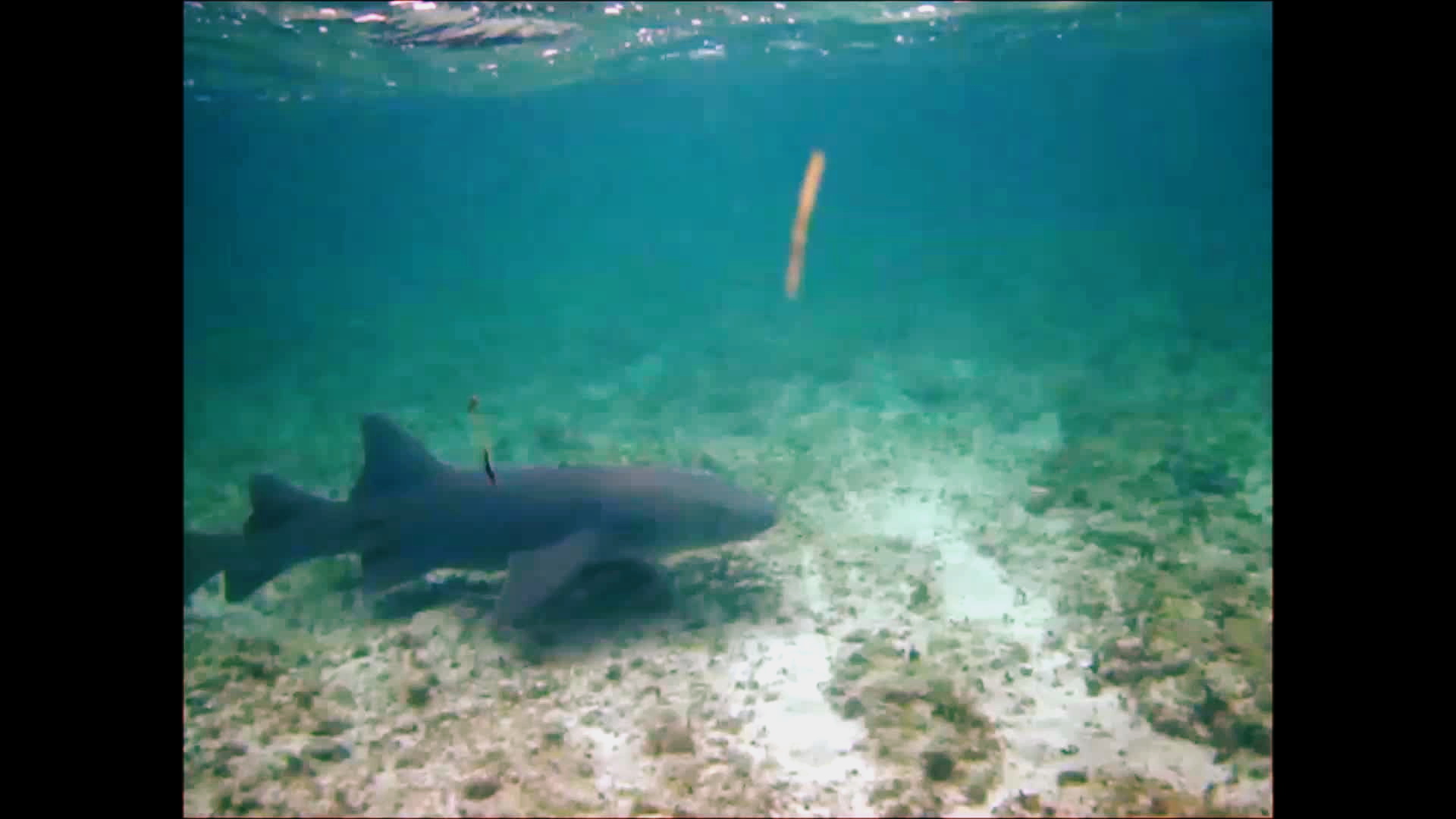
Viral posts call it "the first orange shark on the planet." The photos are real. The species is not new. What fishers caught and released near Tortuguero National Park, Costa Rica, in August 2024 was an adult nurse shark (Ginglymostoma cirratum) wearing a pigment condition science had never formally logged for this species: total xanthism, likely paired with albinism - albino-xanthochromism.
In Wilder TCG the Nurse Shark is a Common Pisces creature with Herd. The card is the everyday reef napper; this Journal piece is why one individual briefly broke the internet.
What xanthism actually is
Xanthism (also xanthochroism) means excess yellow to orange pigment in the skin. Nurse sharks are normally yellow-brown to gray-brown - camouflage for sandy reefs and resting piles. This animal showed intense, fairly uniform yellow-orange color and white eyes without the usual dark iris. Researchers interpreted that combo as albino-xanthochromism rather than xanthism alone.
A short communication in Marine Biodiversity (Macias-Cuyare, Guzman & Arauz-Naranjo, 2025) described it as the first scientifically documented case of total xanthism in G. cirratum, and the first xanthism record for a cartilaginous fish in the Caribbean Sea. Earlier nurse shark color oddities exist in the literature; this combination did not.
Catch details from that paper and follow-up reporting: sport fishing near Tortuguero / Parismina, about 37 m depth, water around 31.2 C, animal roughly ~200 cm (~6.6 ft) total length. Hook removed; shark released swimming strongly. Photos from the boat (including Garvin Watson / Parismina Domus Dei) are what scientists studied - not a new named subspecies.
Separating meme from paper
Clickbait frames invent a brand-new orange species. Taxonomy stays boring on purpose: still Ginglymostoma cirratum (Bonnaterre, 1788), order Orectolobiformes, family Ginglymostomatidae. The story that matters for field notes is rarer and better: a free-living adult survived long enough with high-visibility pigment to reach full size in Caribbean water.
That survival angle is why the authors flagged the find. Bright color should hurt camouflage. Murky coastal water near river mouths may blunt the penalty - a hypothesis, not proven. Causes of the pigment mix are still open: genetics first, with environment, temperature stress, hormones, or local breeding structure as research questions, not settled answers.
Ecology
Nurse sharks are nocturnal bottom hunters. By day they stack in reef crevices and under ledges; by night they cruise for invertebrates and small fishes.
They use a powerful buccal pump and many small crushing teeth. Barbels beside the mouth help sense food on the bottom. They are not open-ocean chase predators like great whites - more ambush-and-vacuum than movie montage. Range spans tropical and subtropical Atlantic coasts, including the Caribbean and West Africa. Adults commonly reach about 2-3 m; the Costa Rica xanthic animal sat near the lower adult band at about 2 m. Conservation context. Fishing and habitat pressure matter even when a single orange individual goes viral.
From Caribbean catch to Wilder card
Read the Nurse Shark field guide for taxonomy, habitat, and in-game stats. On the board, Herd nods to stacked daytime rest groups. Guide link: https://wildertcg.com/animals/nurse-shark Play Wilder: https://wildertcg.com/app
Quick facts
Scientific name: Ginglymostoma cirratum (Bonnaterre, 1788) Xanthic specimen: about 200 cm TL; Tortuguero area, Costa Rica; August 2024 catch-and-release Condition: total xanthism plus white eyes, likely albino-xanthochromism Paper: Macias-Cuyare et al. 2025, Marine Biodiversity 55:73 Typical color: yellow-brown to gray-brown; this one intense yellow-orange Wilder family: Pisces, Common, Herd SoMacías-Cuyare et al. 2025 - Marine Biodiversity paper urces